Understanding the Importance of Education
Defining Education and Its Role in Society
Education is a fundamental pillar of society, serving as the primary means through which knowledge, skills, and values are transmitted from one generation to the next. It is a systematic process that cultivates the mind, fostering critical thinking, creativity, and a sense of responsible citizenship. At its core, Education encompasses more than just formal schooling; it includes informal learning experiences that shape individuals throughout their lives. In this context, education becomes a transformative tool that empowers individuals and communities to thrive.
Historically, education has served as a means to meet societal needs, preparing individuals for roles within the workforce and promoting social cohesion. The process of education encompasses formal systems, such as schools and universities, as well as informal spaces including family teachings, community involvement, and cultural traditions. Each of these contributes to the development of well-rounded individuals capable of making informed decisions and contributing positively to society.
Key Benefits of Quality Education
The benefits of quality education are vast and multifaceted, influencing economic stability, social equity, and individual fulfillment. Firstly, quality education enhances employment opportunities. Higher levels of education are typically correlated with better job prospects and higher salaries. In an economy increasingly reliant on skilled labor, educational attainment often dictates income potential, with educated individuals more likely to secure employment in higher-paying industries.
Secondly, education fosters critical thinking and problem-solving skills. These abilities are essential in navigating today’s complex world, where individuals face a myriad of choices and challenges. Through structured learning and experiential engagement, students develop the capacity to analyze situations, evaluate options, and make informed decisions.
Moreover, education promotes social equity by leveling the playing field. By providing access to opportunities that might otherwise be unavailable, education acts as a equalizer. It has been shown that communities with higher educational attainment tend to have lower crime rates, improved health outcomes, and greater civic engagement. Education thus not only transforms individual lives but also enhances collective well-being.
Global Perspectives on Education
Education systems vary significantly across the globe, influenced by cultural, economic, and political contexts. While some countries prioritize accessibility and inclusivity, others face challenges related to funding and resources. For instance, many developing nations struggle with limited access to quality education, particularly for girls and marginalized populations. In contrast, developed countries often have well-established educational frameworks that emphasize STEM (science, technology, engineering, and mathematics) education, critical thinking, and creativity.
International organizations, including the United Nations, advocate for education as a fundamental human right and a critical component for sustainable development. Goal 4 of the UN’s Sustainable Development Goals (SDGs) explicitly aims to ensure inclusive and equitable quality education and promote lifelong learning opportunities for all. This global commitment underscores the recognition of education as a catalyst for societal progress, economic development, and social justice.
Current Trends in Education
Technology's Impact on Education
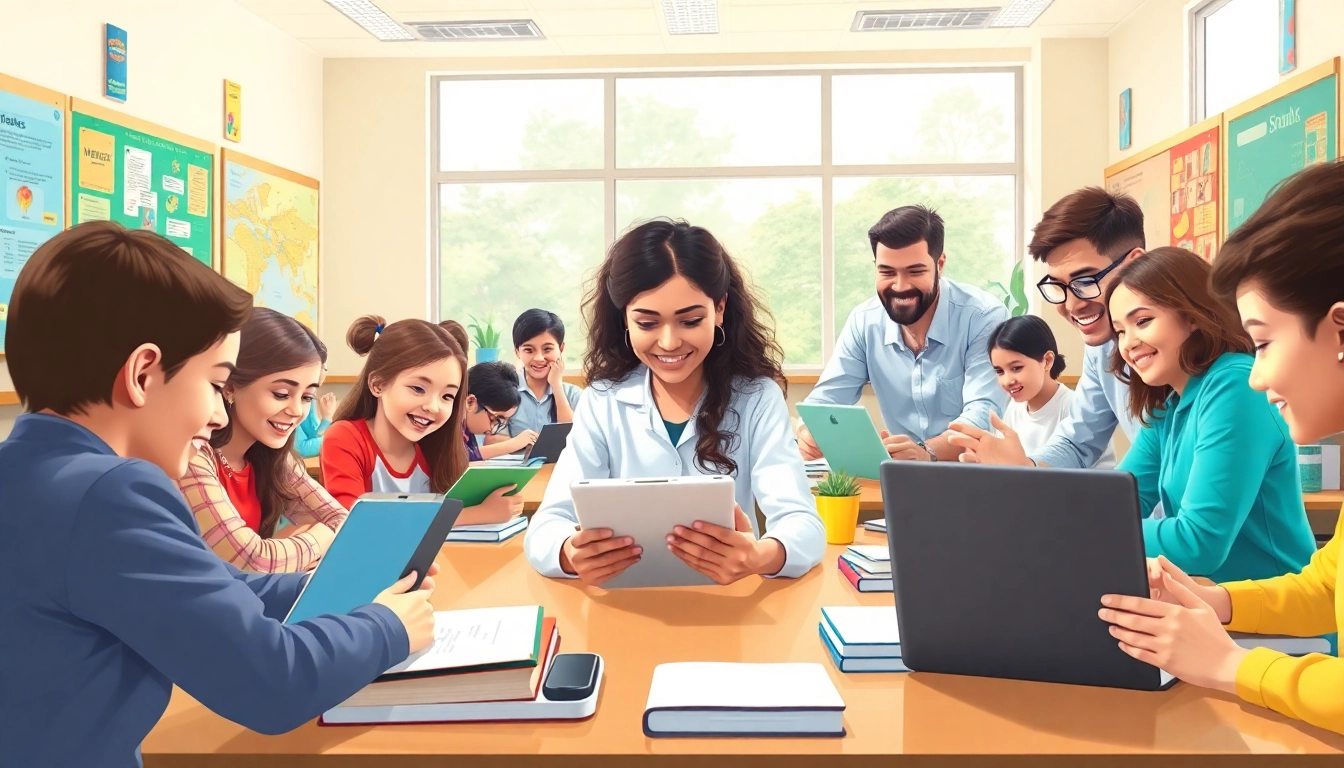
The infusion of technology into education has dramatically transformed learning experiences and methodologies. Digital tools and platforms enable more engaging, personalized learning environments that cater to diverse student needs. The rise of online learning, particularly during the COVID-19 pandemic, has underscored the efficacy of technology in enhancing educational access and flexibility.
Technologies such as learning management systems (LMS), virtual classrooms, and interactive educational software have allowed educators to reach students in innovative ways. For instance, many institutions now leverage blended learning models that combine traditional classroom instruction with online resources, thereby maximizing engagement and student participation.
Furthermore, technologies such as artificial intelligence (AI) and machine learning play a growing role in education by providing adaptive learning experiences. These systems analyze student performance data to tailor resources and assessments, ensuring that materials are suited to individual learning paces and styles. By embracing technology, educators can create more inclusive, responsive, and effective learning environments.
Personalized Learning Approaches
Personalized learning is gaining traction as an effective pedagogical approach that recognizes the unique learning preferences and needs of each student. Unlike traditional models that often apply a one-size-fits-all strategy, personalized learning empowers students to take charge of their educational journeys. This can include customized learning paths, differentiated instruction, and self-paced progress, encouraging motivation and ownership.
Effective personalized learning strategies often incorporate formative assessments to gauge students' understanding continually. These assessments inform instructional decisions, allowing educators to provide targeted support when needed. With the integration of student feedback, adaptive technologies, and diverse resources, personalized learning equips students with the skills necessary for lifelong learning.
Resilience in Education Post-Pandemic
The COVID-19 pandemic has exposed vulnerabilities within educational systems worldwide. However, it has also catalyzed unexpected resilience and innovation by pushing schools to explore new teaching methods. The immediate shift to remote learning necessitated educators to rethink their approaches, prompting a reevaluation of curriculum delivery, assessment strategies, and student engagement techniques.
As educational systems recover, there is a growing recognition of the importance of flexibility, adaptability, and mental health support for both students and educators. Schools are increasingly incorporating social-emotional learning (SEL) frameworks that address the holistic needs of students, fostering resilience in the face of challenges. The focus on emotional well-being alongside academic success presents an opportunity to create more supportive and nurturing educational environments.
Challenges Facing the Education System
Access and Equity in Education
Access to quality education remains one of the most pressing challenges in the contemporary educational landscape. Despite progress, disparities persist along socioeconomic, racial, and geographic lines, leading to unequal educational opportunities. Students from low-income families or marginalized communities frequently encounter limited access to resources, technology, and experienced educators, which adversely affects their academic outcomes.
Equity in education is an imperative issue, where governments and organizations must invest in resources, infrastructure, and policies that promote inclusivity. This can entail increasing funding for under-resourced schools, ensuring equitable distribution of qualified teachers, and providing access to extracurricular programs. Addressing these systemic barriers is essential not only for the success of individual students but also for the overall advancement of society.
Teacher Shortages and Retention Issues
In many regions, teacher shortages present significant obstacles to delivering quality education. The demand for qualified educators often exceeds supply, leading to larger class sizes, increased workloads for existing teachers, and diminished educational experiences for students. Contributing factors to this crisis include low salaries, inadequate support systems, and challenging working conditions.
To tackle these shortages, it is critical to implement comprehensive retention strategies that prioritize teacher well-being and job satisfaction. Initiatives such as mentorship programs, professional development opportunities, and competitive compensation can help attract and retain skilled educators. By fostering a supportive and fulfilling work environment, schools can ensure a stable and effective teaching workforce.
Addressing Educational Disparities
Educational disparities, often influenced by socioeconomic factors, are a persistent challenge within educational systems. Students from disadvantaged backgrounds frequently experience gaps in preparedness, engagement, and achievement. Addressing these disparities requires multifaceted strategies that consider the whole child and their unique context.
Community-based programs and partnerships can play a vital role in bridging these gaps. By connecting schools with local organizations, businesses, and families, educators can create support networks that reinforce learning outside the classroom. Furthermore, culturally responsive pedagogy and inclusive curricula that reflect diverse histories and perspectives can enhance engagement for all learners, fostering a more equitable educational landscape.
Best Practices for Effective Education
Engaging Teaching Methods
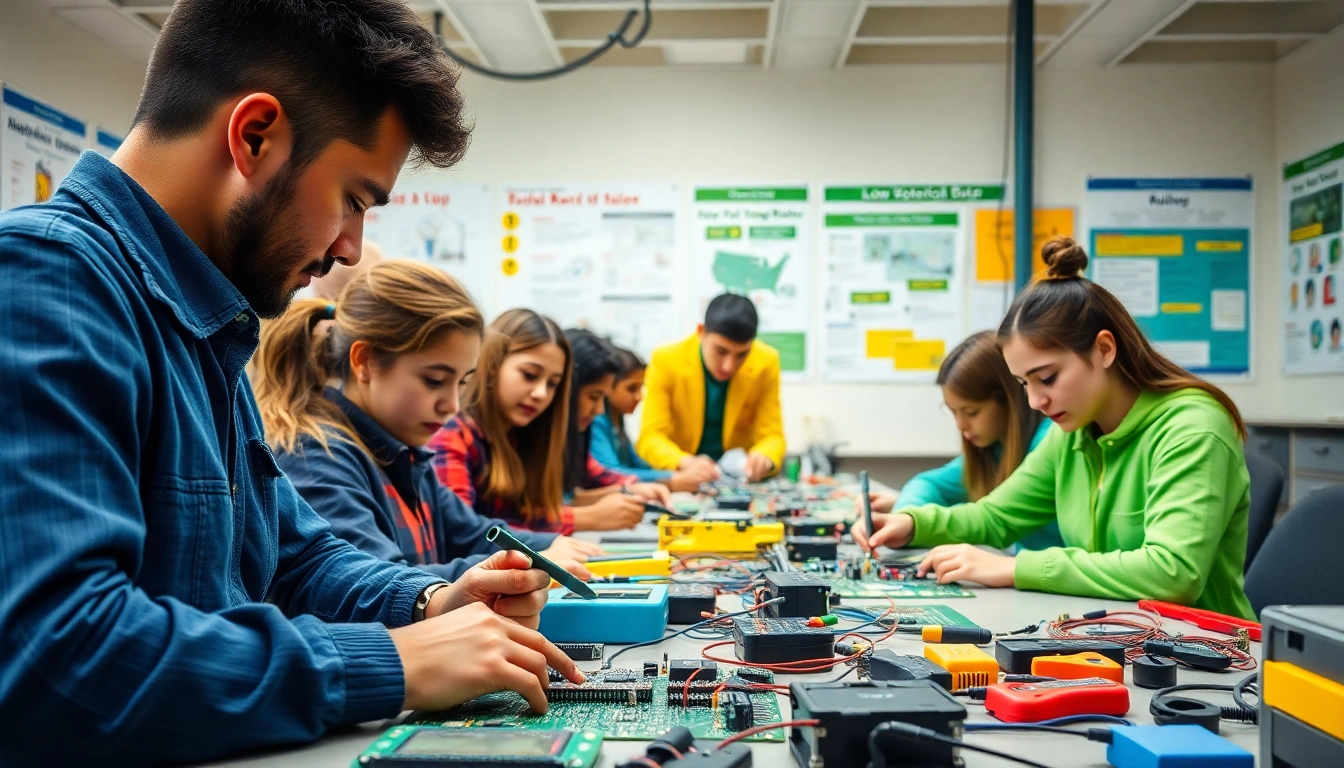
Effective teaching practices are vital for maximizing student engagement and achieving educational success. Teachers who incorporate active learning strategies—such as collaborative projects, discussions, and hands-on activities—tend to foster deeper understanding and retention of knowledge. These methods encourage students to take ownership of their learning journeys, transforming passive recipients of information into active participants.
Utilizing inquiry-based learning allows students to explore topics of interest, promoting creativity and critical thinking. By posing open-ended questions and encouraging exploration, educators can cultivate an environment where curiosity thrives. Moreover, integrating cross-disciplinary approaches can connect concepts across subjects, making learning more meaningful and relevant.
Importance of Lifelong Learning
Lifelong learning is a core principle that emphasizes the importance of continuous growth and development beyond formal education. As the world evolves rapidly, individuals must cultivate the ability to adapt and acquire new skills throughout their lives. This mindset fosters resilience and prepares learners to meet emerging challenges in a constantly changing job market.
Encouraging a culture of lifelong learning within educational settings can be facilitated by promoting curiosity and growth mindset principles. Providing access to professional development opportunities, workshops, and community resources can support both students and teachers in their learning journeys. Emphasizing the significance of self-directed learning empowers individuals to take initiative and actively seek out knowledge beyond their formal education.
Building Supportive Learning Environments
Creating a supportive learning environment is essential for fostering student success and well-being. Educators play a critical role in establishing a positive classroom culture where students feel safe, valued, and respected. Building strong relationships with students enhances trust and encourages open communication, leading to better engagement and motivation.
A well-structured classroom that encourages collaboration, inclusivity, and respect for diverse perspectives significantly contributes to positive learning outcomes. Implementing restorative practices can further promote a sense of community and accountability, reducing behavior issues and fostering emotional regulation. Schools should strive to be nurturing spaces that support students’ social, emotional, and academic development.
Measuring Education Outcomes
Assessment Tools and Techniques
Measurement of educational outcomes plays a crucial role in evaluating the effectiveness of teaching and learning processes. Traditional standardized testing, while prevalent, often fails to capture the full spectrum of student learning and growth. Innovative assessment tools and techniques that consider diverse skills and competencies are essential for obtaining a holistic view of student performance.
Formative assessments, such as quizzes, portfolios, and observational assessments, provide valuable insight into student understanding during the learning process. These strategies allow educators to adjust their teaching in real-time, ensuring that support is tailored to individual needs. Additionally, employing performance-based assessments can provide evidence of students’ abilities to apply knowledge in practical situations.
Evaluating Educational Success
Evaluating educational success extends beyond academic achievement. Comprehensive assessments should include factors such as social-emotional development, critical thinking skills, and overall student well-being. Stakeholders, including educators, parents, and community members, must collaborate to define what success means in their contexts.
By establishing clear criteria for success, schools can develop targeted interventions and instructional strategies to meet the needs of all learners. Emphasizing growth mindset principles in evaluating progress celebrates effort and continuous improvement, fostering a more inclusive understanding of success.
Future Directions for Education Improvement
Looking ahead, the future of education should focus on innovation, collaboration, and inclusivity. Continuous improvement will require educators, policymakers, and communities to embrace change and adopt evidence-based practices. Emphasizing interdisciplinary approaches, integrating social-emotional learning, and leveraging technology are essential strategies for enhancing educational experiences.
Moreover, ongoing research and dialogue about equitable access to resources can help identify solutions to systemic challenges. By prioritizing collaboration between schools, families, and communities, education systems can foster a more holistic approach, ensuring that every student has the opportunity to succeed. The future of education hinges on our collective commitment to develop adaptable, inclusive, and engaging learning experiences that empower every learner.