
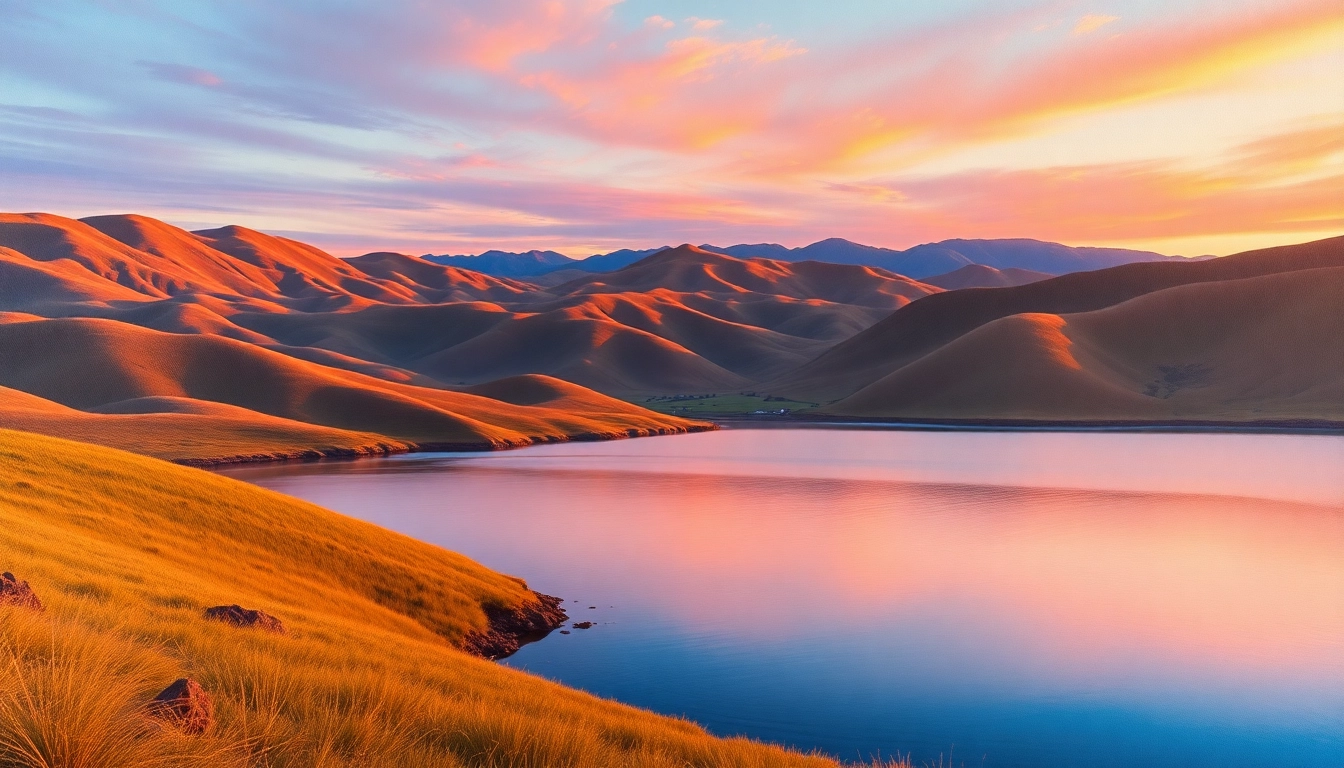
Introduction to Painting Techniques
Painting is a wonderful medium that allows individuals to express their creativity and artistic vision. Whether you’re a complete novice looking to explore your artistic side or an experienced painter seeking new techniques, understanding the fundamentals of painting can elevate your skill set. In this guide, we'll delve deep into various painting styles, essential materials, and how to effectively plan your painting projects. If you're eager to learn more about the world of painting, this article is designed specifically for you.
Understanding Different Painting Styles
The world of painting is vast and colorful. Each style brings a unique perspective and techniques that shape the final artwork. Some of the most recognized painting styles include:
- Realism: Focuses on depicting subjects as they appear in everyday life, often with meticulous detail.
- Impressionism: Captures the effects of light and color, emphasizing the artist's perception at a specific moment.
- Abstract: Moves away from representational accuracy to focus on shapes, colors, and forms to evoke emotions.
- Surrealism: Combines elements of reality and dreamscapes to create unexpected juxtapositions.
Understanding these styles can help you choose the one that resonates most with your artistic voice and intentions, making your painting journey more fulfilling.
Selecting the Right Materials
Choosing the right materials for painting is essential. Each medium has its own unique qualities that affect the outcome of your work. Below are some materials you'll want to consider:
- Paint Types: Acrylics, oils, and watercolors each offer distinct qualities. Acrylic paint dries quickly and is versatile, while oils provide richer colors and longer drying times. Watercolors are great for transparent washes.
- Brushes: Brushes come in various shapes and sizes. Flat brushes are ideal for broad strokes, while round brushes can create detailed lines.
- Surfaces: Options include canvas, wood panels, and paper. Each surface interacts differently with your chosen medium.
Selecting the appropriate materials will lay a strong foundation for your painting endeavors and enhance your creative process.
Planning Your Project
Effective planning is a crucial step in any painting project. It ensures clarity and purpose throughout the creative process. Consider these aspects:
- Concept Visualization: Create a sketch or a digital mock-up of your idea to visualize the final outcome.
- Color Palette: Choose a color scheme early on to guide your work and maintain harmony throughout the piece.
- Time Management: Estimate how much time each stage of the painting will take and set realistic deadlines for completion.
By planning thoroughly, you can minimize surprises and enhance your workflow, ensuring that you stay focused on your artistic vision.
Key Painting Techniques for Beginners
Brush Techniques and Strokes
Mastering brush techniques is vital for any budding artist. Different strokes can create varied textures and effects within your work. Here's a look at some foundational brush techniques:
- Dry Brushing: This technique involves using a dry brush to create a scratchy texture, ideal for conveying details in fur or grass.
- Wet-on-Wet: Apply wet paint onto wet surfaces for soft transitions and blended colors, commonly used in oil and watercolor painting.
- Layering: Build up layers of color to create depth and dimension, using both transparent and opaque paints.
Practice various strokes to become familiar with how they can enhance your paintings and convey your artistic intent.
Color Mixing and Theory
Understanding color theory is foundational to creating harmonious artworks. The color wheel is a vital tool in this regard, showcasing primary, secondary, and tertiary colors. Here are critical concepts to consider:
- Complementary Colors: Colors opposite each other on the wheel, such as red and green, create striking contrasts that can add balance to your painting.
- Analogous Colors: Colors next to each other, like blue, blue-green, and green, create a pleasing and cohesive look.
- Warm and Cool Colors: Warm colors (reds, oranges) evoke energy, while cool colors (blues, greens) create calmness. Use these to set the mood of your piece.
By learning how to mix colors effectively, you can expand your palette and enhance the emotional impact of your art.
Layering and Texture Techniques
Layering adds depth and interest to your paintings. Engaging in different texture techniques can bring your artwork to life:
- Impasto: Apply thick layers of paint, creating a three-dimensional texture that can be visually captivating.
- Sgraffito: Scrape away a layer of paint to reveal the color beneath, introducing complexity and visual intrigue.
- Glazing: Use transparent layers of paint to create luminous effects and changes in color depth.
Experimenting with these techniques will give your painting a unique voice and add to its visual richness.
Advanced Painting Methods
Techniques for Realism in Painting
For artists aiming for realism, attention to detail and mastery of light and shadow are crucial. Techniques to consider include:
- Chiaroscuro: Use this technique to create dramatic contrasts between light and dark, emphasizing volume and depth.
- Grisaille: Employing monochromatic painting to establish values before adding color can help in achieving realistic effects.
- Photorealism: Focus on closely mimicking a photograph’s detail and depth, requiring exceptional precision and technique.
By immersing yourself in these techniques, you can develop the skills necessary for painting incredibly lifelike images.
Utilizing Mixed Media
Mixed media allows artists to combine various materials and methods to express artistic ideas innovatively. Examples include:
- Collage: Incorporating paper, fabric, or other materials into your paintings to create depth and interest.
- Digital Integration: Blending digital art with traditional techniques for unique outcomes.
- Textural Elements: Using materials like sand, fabric, or metal to add texture and dimension.
Exploring mixed media can expand your creative boundaries and yield unique results.
Painting En Plein Air
Painting en plein air, or “in the open air,” is an artistic practice that involves creating works outdoors. This method can enrich your artistic experience in several ways:
- Direct Observation: Capturing the natural light and ambiance of a scene enhances your painting's authenticity.
- Simplification: It encourages artists to simplify compositions and focus on essential elements rather than getting lost in details.
- Connection with Nature: Engaging with your surroundings often leads to greater inspiration and creativity.
As you delve into plein air painting, consider investing in portable equipment that allows easy setup and transport.
Showcasing Your Finished Painting
Best Practices for Framing
Framing your artwork professionally enhances its display and can protect it. Consider these best practices:
- Choose the Right Frame: Select a frame style that complements the artwork without overwhelming it.
- Consider Non-Reflective Glass: Use UV-protective and non-reflective glass to safeguard your painting from sunlight and glare.
- Matting Matters: Use mats to create space between your artwork and the frame, adding an element of sophistication.
A well-framed painting can also serve as a focal point in your home or gallery.
Lighting and Display Options
Proper lighting and strategic display can make your painting stand out beautifully:
- Natural Light: Display your paintings where they can benefit from ample natural light without direct sunlight, which can fade colors.
- Spotlighting: Consider using directional lighting to create emphasis on your piece, enhancing its visual appeal.
- Gallery Style: Arrange a group of paintings in a cohesive manner to create impact and lead viewers through your narrative.
Effective display can elevate the perception of your artwork, allowing it to shine.
Marketing Your Artwork Online
In today's digital age, showcasing your art online is essential for reaching a broader audience. Here are some strategies:
- Build a Portfolio Website: Showcase your work in a sleek, easy-to-navigate online portfolio.
- Social Media Engagement: Use platforms like Instagram and Pinterest to connect with other artists and share your work.
- Online Marketplaces: Explore art-selling platforms to sell your artwork directly to buyers.
With the right online strategies, you can significantly increase your visibility and opportunities as an artist.
Frequently Asked Questions
What materials do I need to start painting?
Basic materials include paint, brushes, canvas or paper, and palette options for mixing colors.
How do I choose the right colors for my painting?
Consider using color wheels and palettes; focus on harmony and contrast to enhance your artwork.
Can I mix different painting mediums?
Yes, combining mediums, like acrylics and oils, can create unique textures and effects.
What’s the best way to protect my painting?
Use varnish or a protective finish to shield your artwork from dust and UV damage.
How can I improve my painting skills?
Practice regularly, take classes, and study different artists to learn new techniques and styles.