
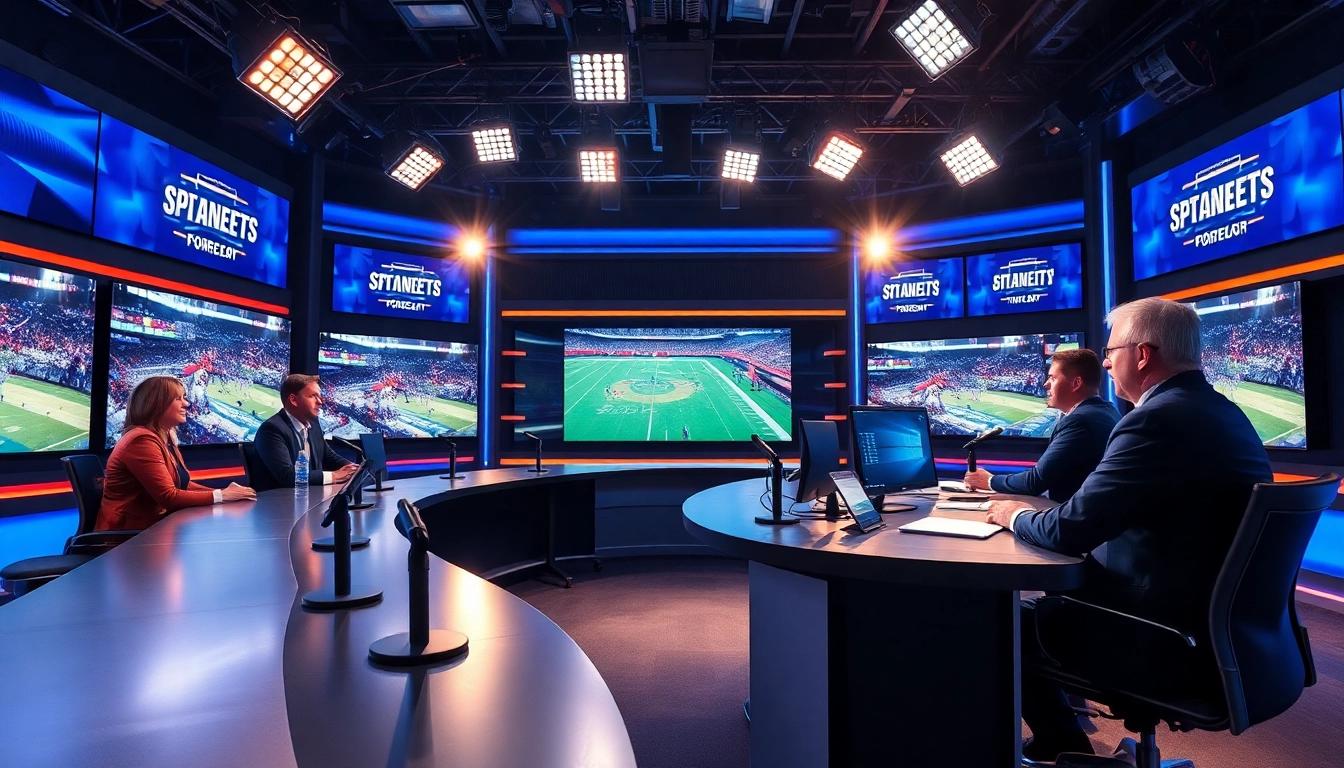
Understanding Sports Broadcasting Fundamentals
Sports broadcasting has evolved into a vital component of the sporting experience, offering fans live access to games, expert commentary, and in-depth analysis. As this field continues to grow, understanding its fundamentals becomes essential for anyone interested in engaging with sports media. Sports Broadcasting serves as a gateway to the excitement and drama of athletic events, blending entertainment with information. This article explores the core aspects of sports broadcasting, covering its history, techniques, challenges, innovations, and success metrics.
What is Sports Broadcasting?
At its core, sports broadcasting refers to the transmission of sporting events through various media channels, including television, radio, and online platforms. It encompasses live broadcasts, replays, commentary, and sporting analyses. The main objective is to provide audiences with real-time experiences of sporting events, enhancing their engagement with their favorite sports and teams.
Historical Overview of Sports Broadcasting
The history of sports broadcasting can be traced back to the early 20th century, when radio became a prevalent medium for transmitting live sporting events. Initially, broadcasts were limited to major events, but the medium quickly gained popularity, bringing sports into the homes of millions. The television era began in the mid-20th century, revolutionizing the industry by providing visual elements to broadcasts. Fast forward to the 21st century, and the rise of digital platforms and streaming services continues to reshape how sports are consumed, with audiences more connected than ever before.
Key Players in the Sports Broadcasting Industry
The sports broadcasting industry consists of several key players, including television networks, radio stations, online streaming platforms, and production companies. These entities work together to produce high-quality broadcasts that deliver engaging content to audiences. Additionally, sports leagues and teams are crucial as they negotiate broadcasting rights, influencing how and where games are shown. Sponsorships and advertising also play critical roles in funding broadcasts, showcasing the synergy between sports, media, and commerce.
Essential Techniques for Effective Sports Broadcasting
Voice Modulation and Presentation Skills
One of the most significant skills a sports broadcaster must master is effective voice modulation. A broadcaster’s voice serves not just as a means of communication but as a tool for conveying emotion and excitement. Techniques such as varying pitch, volume, and pace can help deliver key moments more effectively, enhancing viewer engagement. Additionally, presentation skills—such as maintaining eye contact with the camera, using appropriate facial expressions, and delivering content confidently—can significantly impact how information is received by the audience.
Research and Content Preparation
Thorough research is indispensable for any sports broadcaster. Preparation involves delving into game statistics, player backgrounds, and historical contexts to provide informed commentary. Furthermore, understanding the narrative of the sporting event can greatly enrich the broadcast. Broadcasters should also be aware of the audience’s preferences and expectations to tailor their content accordingly, ensuring a more captivating viewing experience.
Utilizing Technology for Enhanced Coverage
Modern technology has transformed sports broadcasting, offering tools that enhance coverage quality and audience engagement. High-definition cameras, drones, and advanced graphics software allow broadcasters to present more dynamic and visually appealing content. Social media integrations enable real-time fan interaction, fostering community engagement. Broadcasters must stay updated on technological advancements to utilize these tools effectively, providing viewers with unparalleled experiences.
Navigating Challenges in Sports Broadcasting
Managing Unexpected Situations Live
Live broadcasts are prone to unexpected situations, whether technical difficulties or unforeseen events during a game. Successful broadcasters must remain calm and composed during these moments, using their training and knowledge to adapt their commentary. Having contingency plans in place, such as backup feeds or pre-prepared segments, can also help mitigate disruptions, ensuring a seamless viewing experience.
Dealing with Audience Feedback and Engagement
Today’s audience has an unprecedented ability to provide feedback through social media and online platforms. While this feedback can be invaluable for improvement, managing it can pose challenges. Broadcasters must be prepared to address criticism constructively, using it to refine their skills. Engaging positively with the audience, such as acknowledging comments or encouraging discussions, can also enhance viewer loyalty and participation.
Legal and Ethical Considerations
The sports broadcasting industry must navigate a complex landscape of legal and ethical considerations. Issues such as copyright laws, licensing agreements, and defamation risks require careful attention. Broadcasters must ensure they have the necessary rights to use footage and respect intellectual property while also considering the ethical implications of their commentary. Upholding journalistic integrity by ensuring accurate reporting and respecting athlete privacy is paramount in maintaining audience trust.
Exploring Innovations in Sports Broadcasting
Impact of Social Media on Broadcasts
Social media has revolutionized how sports are broadcasted, allowing real-time interactions between broadcasters and viewers. Platforms such as Twitter, Instagram, and Facebook facilitate immediate feedback, creating a two-way communication channel. Broadcasters can leverage these platforms to promote broadcasts, share highlights, and engage fans in conversation, creating a more immersive and interactive viewing experience.
Virtual Reality and Augmented Reality in Coverage
Virtual reality (VR) and augmented reality (AR) technologies are becoming increasingly integrated into sports broadcasting. VR can immerse viewers in the game, offering a 360-degree experience from the comfort of their home. AR enhances broadcasts by overlaying analytics and statistics directly onto the screen. As these technologies become more accessible, they promise to significantly enhance viewer engagement and interaction with sports content.
The Future of Sports Broadcasting Technologies
As technology continues to evolve, the future of sports broadcasting looks promising. Innovations such as artificial intelligence, machine learning, and advanced data analytics are poised to transform broadcast strategies and enhance content personalization. Automating highlight reel creation and delivering tailored content based on viewer preferences could redefine how audiences consume sports. Broadcasters must remain agile, adapting to new technologies to maintain competitive advantages in an ever-evolving landscape.
Measuring Success in Sports Broadcasting
Key Performance Indicators for Broadcast Ratings
To determine the effectiveness of sports broadcasts, key performance indicators (KPIs) such as viewership ratings, audience reach, and engagement rates must be meticulously tracked. Ratings help assess the popularity of specific events or broadcasts, guiding future programming decisions. Analyzing demographic information, like age and location, can also provide deeper insights into audience preferences.
Audience Engagement Metrics
Engagement metrics are crucial for understanding how viewers interact with broadcasts. Metrics such as social media mentions, comments, likes, and shares provide quantitative data on audience sentiment. High engagement levels typically correlate with viewer satisfaction, providing broadcasters with valuable feedback to refine content and presentation strategies.
Analyzing Viewer Feedback for Improvement
Post-broadcast analytics, including surveys and social media feedback, should be utilized to gauge viewer reactions to programming. Conducting regular analysis on this feedback allows broadcasters to pinpoint areas for improvement. Adapting strategies based on audience preferences can enhance viewer experience and loyalty, contributing to long-term success in the industry.
FAQs
What is Sports Broadcasting?
Sports Broadcasting refers to the live or recorded transmission of sports events through various media channels. It includes commentary, analysis, and coverage of games.
How did Sports Broadcasting evolve over time?
The evolution of Sports Broadcasting began with radio broadcasts in the early 20th century and progressed to television and now streaming platforms, expanding coverage and audience reach.
What technologies are commonly used in Sports Broadcasting?
Modern Sports Broadcasting utilizes advanced technologies like high-definition cameras, drones, and specialized broadcast software to enhance the viewer experience.
How can one improve their Sports Broadcasting skills?
Improving Sports Broadcasting skills requires practice, continuous learning about sports, voice training, and feedback from peers and audiences to enhance delivery and engagement.
What should broadcasters do during unexpected situations?
During unexpected situations, broadcasters should stay calm, communicate clearly, and adapt their commentary to maintain viewer engagement while providing relevant updates.