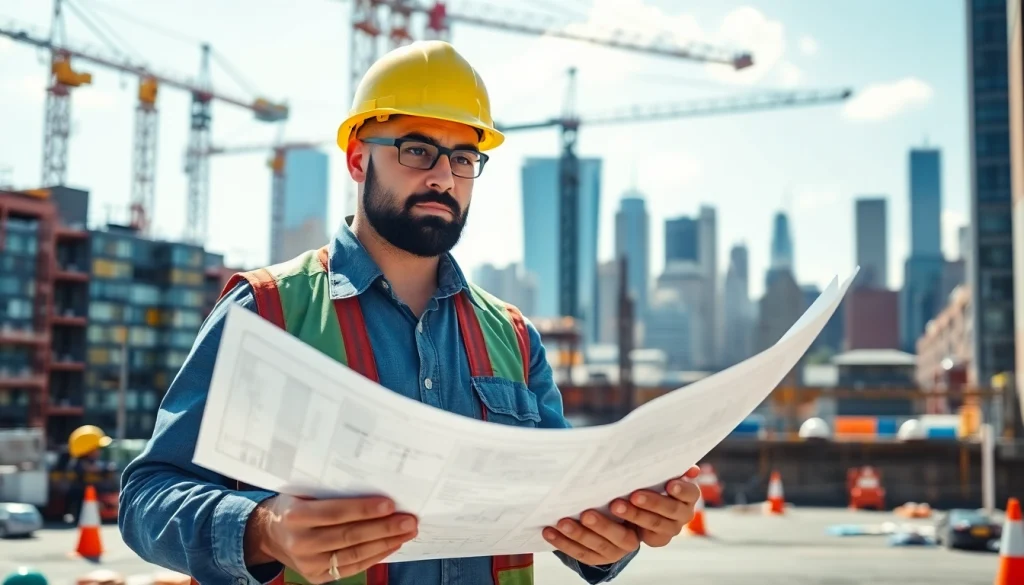
Understanding the Role of a Manhattan Construction Manager
The role of a Manhattan Construction Manager is integral to the successful execution of construction projects within the highly dynamic urban landscape of Manhattan. In a city renowned for its skyscrapers, intricate infrastructure, and unique architectural challenges, the construction manager serves as the nexus between various stakeholders, ensuring that projects are completed on time, within budget, and to the specified quality standards.
Key Responsibilities and Skills Required
A distinguished Manhattan Construction Manager not only possesses technical know-how but also exhibits a blend of leadership, strategic thinking, and problem-solving skills. Their primary responsibilities include:
- Project Planning: Developing comprehensive project plans outlining objectives, timelines, milestones, budgets, and resource allocations.
- Team Coordination: Leading and managing diverse teams, comprising contractors, architects, engineers, and subcontractors, ensuring unified project goals.
- Quality Assurance: Implementing stringent quality control measures throughout the project lifecycle to meet regulatory compliance and industry standards.
- Risk Management: Identifying potential risks and devising mitigation strategies to prevent project delays or cost overruns.
- Stakeholder Communication: Maintaining open lines of communication with all stakeholders, including clients, local authorities, and community members.
The Importance of Communication in Construction Management
Communication lies at the heart of effective construction management. A Manhattan Construction Manager must cultivate a collaborative environment where ideas and feedback can flow seamlessly. Regular updates, transparent reporting, and prompt conflict resolution are essential to maintain stakeholder trust and ensure project success. Utilizing modern communication tools—like project management software, mobile apps, and virtual meeting platforms—can significantly enhance these interactions, making information readily accessible and minimizing misunderstandings.
Project Lifecycle from Inception to Completion
The construction project lifecycle encompasses several phases, each requiring meticulous attention to detail. From the initial conception of a project through to its final inspection, a Manhattan Construction Manager facilitates each stage:
- Initiation: Stakeholder needs are identified, initial feasibility studies are conducted, and project objectives are set.
- Planning: Detailed plans are created, including schedules, budgets, and resource outlines to guide the project.
- Execution: The construction manager oversees day-to-day operations, ensuring adherence to plans and managing unexpected challenges.
- Monitoring and Control: Continuous monitoring to ensure the project remains on track, with adjustments made as necessary.
- Closure: Final inspections are conducted, project documentation is completed, and any post-project evaluations are facilitated.
Best Practices for Efficient Project Management
Efficiency is key in managing construction projects, especially in a fast-paced environment like Manhattan. Below are several best practices that can improve project management outcomes.
Utilizing Technology in Construction Management
Technology plays a crucial role in modern construction management. Project management software, such as Building Information Modeling (BIM) and scheduling tools, provide real-time data and visuals that can facilitate better decision-making. Mobile technology also allows construction managers to access documents and communicate updates on the go, ensuring that every team member is informed and empowered.
Balancing Cost Control and Quality Assurance
In order to maintain a balance between cost control and quality assurance, a Manhattan Construction Manager must employ smart financial practices along with rigorous quality checks. This could involve using value engineering to identify cost-saving opportunities without compromising on quality. Establishing relationships with suppliers and subcontractors can also provide avenues for negotiating better rates and securing high-quality materials at competitive prices.
Risk Management Strategies for Construction Projects
Effective risk management involves identifying potential obstacles early in the project and preparing action plans. Techniques such as SWOT analysis (Strengths, Weaknesses, Opportunities, Threats) can help in assessing risks systematically. Moreover, regular risk assessments throughout the project and the development of contingency plans can safeguard against unexpected issues, ultimately reducing downtime and budget overruns.
Navigating Challenges Specific to Manhattan
Operating in Manhattan presents unique challenges that require savvy navigation by a skilled construction manager. Understanding the broader context of these challenges is essential for effective project execution.
Dealing with Regulatory Compliance and City Regulations
Manhattan is governed by a complex web of building codes, safety regulations, and zoning laws. A proficient Manhattan Construction Manager must have an in-depth understanding of local regulations and ensure compliance at every stage of the project. This often involves collaboration with city officials to acquire necessary permits and address regulatory concerns proactively.
Addressing Environmental Concerns and Sustainability
With growing emphasis on sustainability, construction managers must integrate environmentally-friendly practices into their projects. This could include the use of sustainable materials, waste reduction strategies, and energy-efficient designs. Understanding LEED certification requirements can also provide a competitive edge in attracting environmentally-conscious clients.
Managing Stakeholder Expectations in High-Density Areas
The unique landscape of Manhattan demands that construction managers adeptly handle diverse stakeholder expectations. Public relations become crucial in managing community feedback and concerns, ensuring that the construction does not disrupt local life. Engaging with the community through outreach programs, public meetings, and regular updates can bolster relationships and mitigate resistance.
Career Pathways for Aspiring Manhattan Construction Managers
For those aspiring to become a Manhattan Construction Manager, understanding the educational and experiential pathways is crucial. Here’s a roadmap to help guide your journey.
Required Education and Certifications
A strong educational foundation is essential for any aspiring construction manager. A bachelor’s degree in construction management, civil engineering, or architecture serves as a solid starting point. Additionally, obtaining credentials such as the Project Management Professional (PMP) certification or certifications from recognized bodies like the American Institute of Constructors can enhance employability and demonstrate a professional commitment to the field.
Networking Opportunities in the Construction Industry
Networking is invaluable in the construction industry. Engaging with industry groups, attending conferences, and participating in workshops can provide crucial networking opportunities. Building relationships with seasoned professionals can lead to mentorship opportunities and open doors for job placements.
Moving Up the Ranks: What to Expect
The road to becoming a construction manager is often paved with various roles and experiences. Many begin as project coordinators or assistant project managers before moving up to project manager roles. Those who demonstrate strong leadership and problem-solving skills may ascend to lead construction manager positions. Continuous professional development, combined with practical experience, is key to this upward trajectory.
Case Studies of Successful Manhattan Construction Projects
Examining real-world examples of construction projects can provide valuable insights into the effective practices employed by successful Manhattan Construction Managers.
Analyzing Project Outcomes and Lessons Learned
Each construction project offers unique lessons. By reviewing project outcomes—successes, failures, and everything in between—construction managers can refine their strategies. This can foster a culture of continuous improvement that not only enhances project effectiveness but also contributes to an individual manager’s growth.
Innovative Techniques Implemented in Recent Projects
Innovation is a hallmark of successful construction management in Manhattan. Recent projects have incorporated advanced construction techniques such as 3D printing for small elements, modular construction for rapid assembly, and smart technology integration for real-time monitoring. These innovations help streamline processes and can lead to cost efficiency and increased safety.
Future Trends in Manhattan Construction Management
The construction landscape is ever-evolving. Future trends such as increased utilization of artificial intelligence, robotics, and virtual reality promise to reshape the field. A forward-thinking Manhattan Construction Manager should stay abreast of these trends and embrace changes to maintain a competitive edge in the bustling construction market of Manhattan.