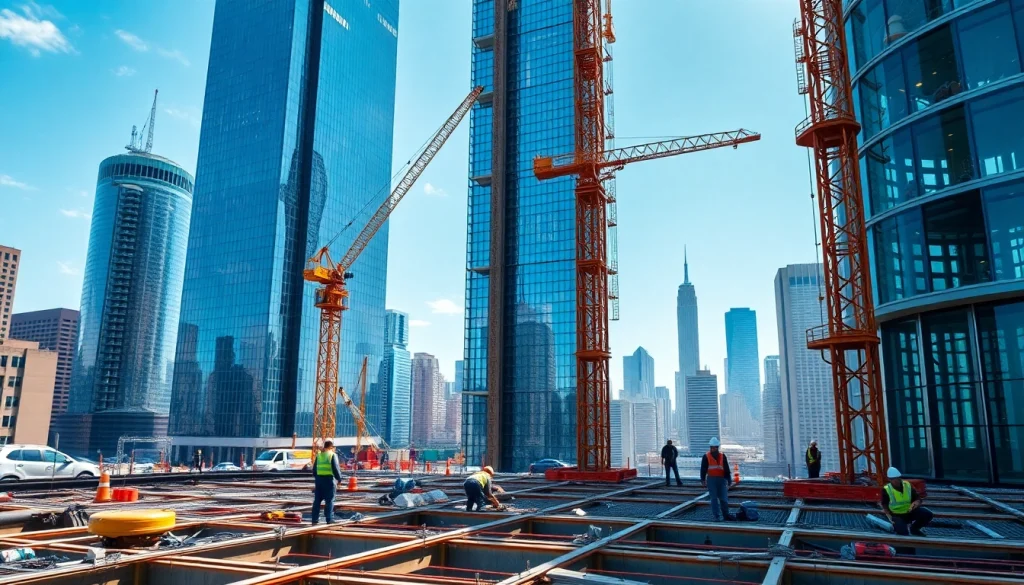
Understanding the Role of a New York City Commercial General Contractor
Defining General Contracting in NYC
The vibrant and dynamic cityscape of New York City presents unique challenges and opportunities in the realm of construction. At the heart of this sector lies the role of a New York City Commercial General Contractor, who acts as the overseer of construction projects, ensuring that every element—from design to execution—is meticulously handled. A commercial general contractor in NYC is responsible for coordinating various facets of the construction process, which includes managing subcontractors, obtaining necessary permits, and adhering to local regulations.
Key Responsibilities and Services
General contractors in New York City have a wide range of responsibilities that extend beyond merely overseeing construction activities. They are responsible for:
- Project Management: They must develop a comprehensive project plan that outlines timelines, budgets, and resource allocation.
- Subcontractor Coordination: Selecting and managing subcontractors who specialize in electrical, plumbing, and other specific tasks.
- Quality Control: Ensuring that the work performed meets the established standards and specifications.
- Safety Compliance: Implementing safety protocols to protect workers on site and ensure compliance with OSHA regulations.
- Client Communication: Regularly updating clients on the progress of the project and addressing any concerns promptly.
The Importance of Experienced Contractors
Hiring an experienced commercial general contractor is crucial for the success of any construction project in New York City. These professionals bring a wealth of knowledge that can help navigate the complexities of local construction regulations, building codes, and zoning laws. Furthermore, their familiarity with the city’s infrastructure allows them to efficiently manage logistics, ensuring that projects remain on schedule and within budget.
Essential Qualities to Look for in a New York City Commercial General Contractor
Licensing and Insurance Requirements
One of the first criteria to consider when hiring a general contractor in NYC is their licensing and insurance status. An effective contractor will possess all necessary licenses that comply with state and local regulations. Additionally, they should carry insurance that protects both workers and clients from potential liabilities. This includes general liability insurance, workers’ compensation, and builder’s risk insurance, ensuring that any unforeseen accidents or damages are appropriately covered.
Experience with Local Regulations
New York City is known for its strict building codes and regulations. A qualified commercial general contractor should have extensive experience dealing with these local laws and mandates. Their knowledge ensures that all projects comply with current regulations, helping to avoid costly fines or project delays. This includes familiarity with zoning laws, environmental regulations, and the necessary permits for construction activities.
Client Testimonials and Portfolio Examination
When evaluating potential contractors, it is essential to review their portfolio and client testimonials. A solid portfolio will demonstrate their ability to manage a range of projects, from small renovations to large-scale construction endeavors. Client testimonials provide insight into the contractor’s reputation, work ethic, and reliability. Look for feedback that reflects the contractor’s ability to meet deadlines, communicate effectively, and address challenges that may arise during the project lifecycle.
Project Management Strategies by New York City Commercial General Contractors
Planning and Coordination Techniques
Effective project management is fundamental for the success of construction projects. NYC commercial general contractors utilize various planning and coordination techniques, including:
- Gantt Charts: This visual representation of the project timeline helps in tracking progress and ensuring all team members are aware of deadlines.
- Resource Allocation: Identifying required materials and labor, and scheduling their availability efficiently to prevent delays.
- Regular Status Updates: Convening frequent meetings with subcontractors and stakeholders to discuss achievements and address any issues proactively.
Cost Management and Budgeting
Budget management is a critical aspect of any construction project. A proficient commercial general contractor will employ a variety of cost management techniques, including:
- Detailed Estimation: Providing a comprehensive cost estimation that factors in labor, materials, permits, and unforeseen expenses.
- Change Order Management: Establishing clear processes for handling changes in scope, along with associated costs to maintain transparency with clients.
- Contingency Planning: Setting aside a percentage of the budget for unexpected costs ensures that projects can adapt to any changes without significant financial strain.
Timeline Development and Adherence
Adhering to project timelines is crucial in the fast-paced environment of New York City. General contractors use various methodologies to develop and maintain timelines, which include:
- Milestone Tracking: Identifying key milestones in the project and ensuring that all tasks align with the overall schedule.
- Time Management Tools: Utilizing software and tools that facilitate tracking and adjust timelines based on real-time progress reports.
- Early Warning Systems: Implementing strategies to quickly identify potential delays, allowing for timely interventions before they impact the completion date.
Common Challenges When Hiring a New York City Commercial General Contractor
Navigating Permits and Legalities
One of the most significant challenges that clients face when hiring a commercial general contractor is navigating the plethora of permits and legal requirements. New York City has a robust regulatory environment that mandates permits for nearly all construction activities. An experienced general contractor understands the intricacies of these requirements and can efficiently manage the permit application process, mitigating any potential roadblocks that may arise.
Dealing with Delays and Disruptions
Construction projects are inherently susceptible to delays and disruptions due to factors such as inclement weather, supply chain issues, or unforeseen site conditions. Effective communication and proactive planning are essential tools that contractors use to minimize the impact of such delays. Establishing a clear line of communication between all parties involved can help mitigate frustration and foster collaboration in finding solutions.
Managing Changes and Adjustments
Changes and adjustments are often inevitable during a construction project due to evolving needs or unforeseen challenges. A proficient contractor will have a clear change management process in place that allows for documented adjustments, ensuring that both client expectations and project scopes are managed effectively. This process should include evaluating the impact of changes on the overall budget and timeline, allowing clients to make informed decisions.
Finding the Right New York City Commercial General Contractor for Your Project
Researching Local Contractors
Start your search for a commercial general contractor by conducting thorough research. Look into local companies specializing in your specific type of construction project. Online reviews, industry forums, and professional networks can provide valuable insights into the contractor’s reputation and performance history. Consider reaching out to local business associations for recommendations on reliable contractors in your area.
Evaluating Proposals and Bids
Once you have narrowed down your options, it’s crucial to evaluate proposals and bids from potential contractors. Look for clear, detailed proposals outlining the scope of work, timeline, and costs. A comprehensive bid should not only provide financial estimates but also outline the contractor’s strategy for project execution and any associated risks. Comparing multiple proposals allows you to assess which contractor offers the best value while meeting your project needs.
Establishing Effective Communication
Establishing effective communication lines with your chosen contractor is paramount. This involves not only discussing project updates and timelines but also addressing potential concerns as they arise. Setting regular meetings, utilizing project management tools, and maintaining transparency can help build a solid relationship based on trust and mutual respect. This foundation of communication can lead to a more successful project outcome.